
June 1, 2026
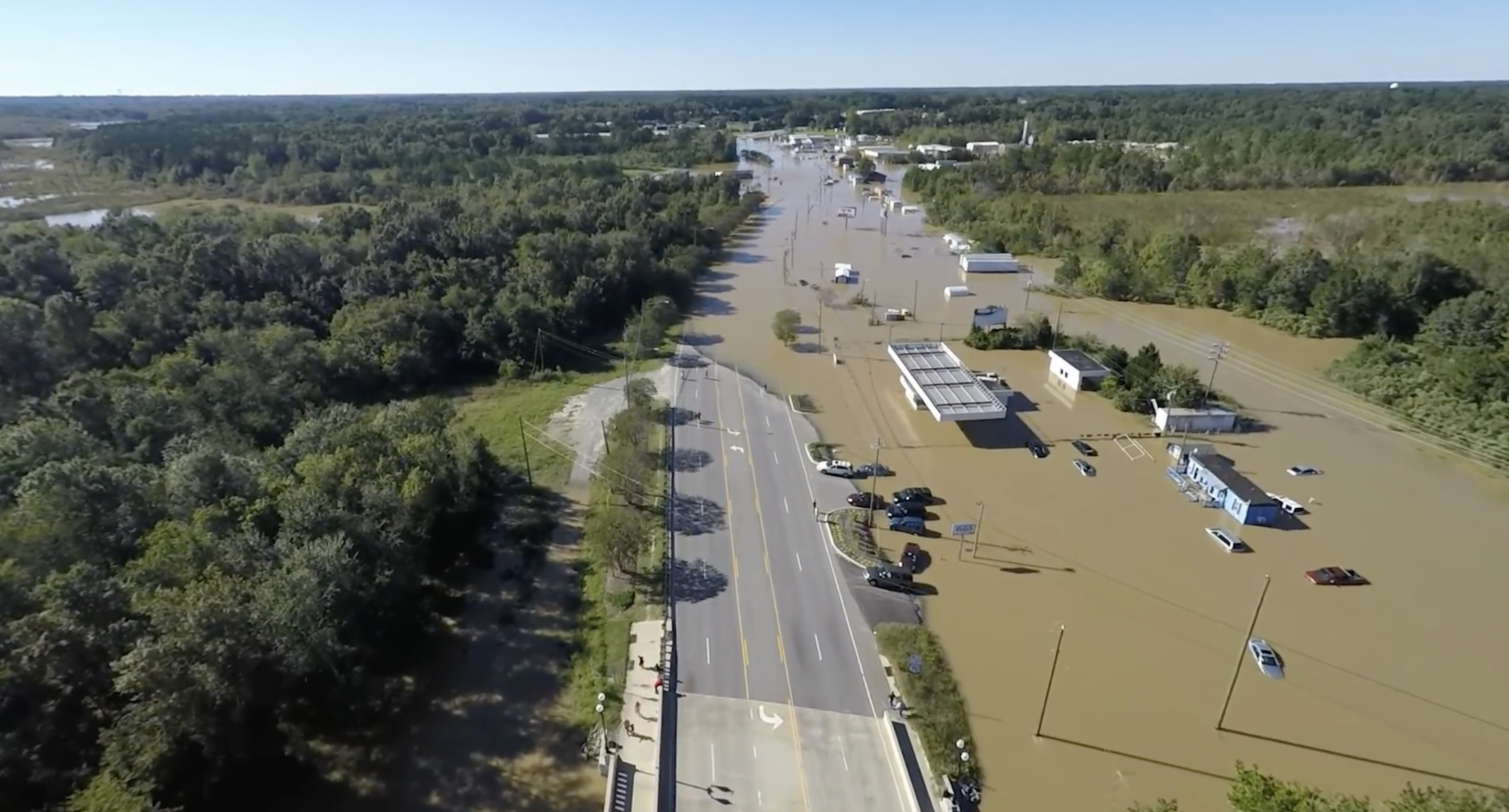 In 2016, Hurricane Matthew caused severe flooding and damage across Johnston County. Photo taken October 10, 2016 over a flooded West Market Street in Smithfield.
Smithfield, N.C. – With the 2026 Atlantic Hurricane Season beginning June 1, Johnston County Emergency Services is encouraging all residents to take steps now to prepare for tropical storms and hurricanes that could impact our area.
The Atlantic Hurricane Season runs from June 1 through November 30. While forecasters are predicting a below-normal season, Emergency Services officials remind residents that even one storm can bring dangerous flooding, damaging winds, power outages and life-threatening conditions.
“Preparedness saves lives,” said Sandy Wood, Emergency Management Division Chief. “You do not have to wait until a storm is on the radar to get ready. Now is the time to review your plan, check your supplies and make sure your family knows what to do if severe weather threatens our area.”
Johnston County is no stranger to the impacts of tropical weather. Hurricane Matthew brought significant flooding and damage to the county in 2016, and Tropical Storm Helene caused catastrophic damage across Western North Carolina in 2024. Following Helene, Johnston County Emergency Services staff deployed to assist with emergency management operations, shelter support, drone operations, building evaluations and other response needs.
Residents are encouraged to take the following steps before hurricane season begins:
Make a Plan: Know where you would go if you needed to evacuate and how your family would communicate if separated. Include pets, children, older adults and anyone with medical needs in your plan.
Build a Kit: Gather emergency supplies, including water, non-perishable food, flashlights, batteries, medications, first aid supplies, important documents, phone chargers, and cash.
Stay Informed: Have multiple ways to receive reliable information. Sign up for JoCo Alerts, follow Johnston County Emergency Services on social media and monitor trusted weather sources.
Prepare Your Home: Trim trees, secure outdoor items, clear gutters and review your insurance coverage, including flood insurance. Flood damage is typically not covered by standard homeowners insurance.
Help Your Neighbors: Check on older adults, individuals with disabilities and others who may need help preparing before a storm.
“Disasters do not wait, and neither should we,” Wood said. “Taking a few simple steps now can make a major difference when severe weather impacts our community.”
During any storm, hurricane or not, Johnston County residents can visit the EM Alerts Dashboard to view active road closures, monitor stream gauges, check power outages and find other important emergency information.
Johnston County Emergency Services will continue monitoring conditions throughout hurricane season and will provide updates, resources and safety information as needed.
###